
Advanced Building Waterproofing Materials and Applications Explained

Water damage is one of the most common and expensive problems in modern construction. From small residential homes to massive industrial facilities, moisture infiltration can slowly weaken structures, damage interiors, encourage mold growth, and reduce the lifespan of buildings. This is why building waterproofing has become an essential part of modern architecture and infrastructure planning.
Today, advanced waterproofing systems are no longer limited to basic cement coatings or temporary sealants. The industry has evolved with innovative technologies that provide long-term protection against water, corrosion, UV exposure, and harsh environmental conditions.
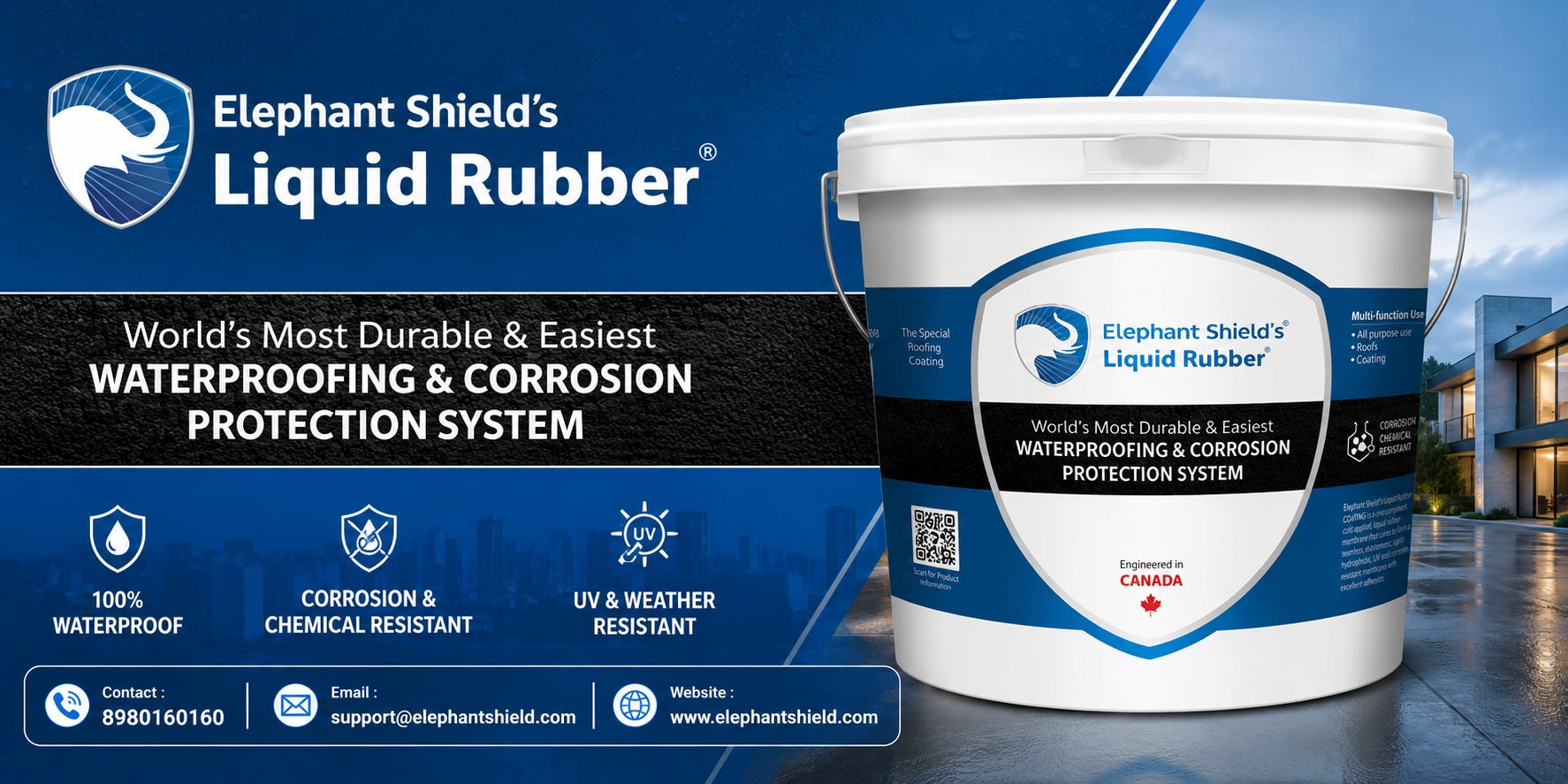
One such innovation is Elephant Shield Liquid Rubber, a next-generation waterproofing and protection system designed to deliver exceptional durability and versatility across multiple surfaces and applications.
What Is Building Waterproofing?
Building waterproofing is the process of protecting structures from water penetration and moisture-related damage. It involves applying specialized materials and protective systems on surfaces exposed to rain, humidity, groundwater, chemicals, and changing weather conditions.
Without proper waterproofing, buildings may experience:
Wall seepage
Roof leakage
Structural cracks
Damp interiors
Mold and fungus growth
Corrosion in steel structures
Concrete deterioration
Reduced building lifespan
Modern waterproofing solutions help maintain the strength, safety, and appearance of structures while reducing maintenance costs over time.
Why Building Waterproofing Is More Important Than Ever
Urbanization, unpredictable weather patterns, and increasing construction costs have made building waterproofing a critical investment rather than an optional upgrade.
In India especially, buildings are exposed to:
Heavy monsoon rainfall
Intense heat and UV rays
Humidity
Pollution
Water stagnation on terraces
Groundwater pressure in basements
Traditional waterproofing methods often fail after a few years due to cracking, peeling, or improper adhesion. This has created demand for advanced waterproofing technologies that offer flexibility, durability, and long-term performance.
Understanding Advanced Waterproofing Materials
Modern waterproofing materials are designed to provide stronger adhesion, flexibility, weather resistance, and chemical protection compared to conventional systems.
Some of the most commonly used advanced waterproofing materials include:
1. Liquid Rubber Waterproofing Systems
Liquid rubber technology has transformed the waterproofing industry because of its seamless application and long-lasting flexibility.
These systems create a fully bonded membrane that prevents water penetration even in difficult corners and irregular surfaces.
Benefits include:
Excellent elasticity
Crack-bridging capability
UV resistance
Seamless waterproof layer
Long service life
Strong adhesion to multiple surfaces
2. Polyurethane Waterproofing Coatings
Polyurethane coatings are widely used for terraces, roofs, and exposed surfaces due to their high flexibility and weather resistance.
They perform well in areas exposed to heavy rainfall and sunlight.
3. Cementitious Waterproofing
Cement-based waterproofing systems are commonly used for internal wet areas such as bathrooms, water tanks, and basements.
While affordable, they may not provide the flexibility needed for long-term exterior applications.
4. Bituminous Membranes
Bitumen-based sheets are often used in roofing systems and underground waterproofing. However, installation quality plays a major role in their effectiveness.
5. Acrylic Waterproof Coatings
Acrylic coatings provide reflective and waterproof properties, mainly for terraces and roofs. They are easy to apply but may require periodic maintenance.
Elephant Shield Liquid Rubber: Advanced Protection for Modern Structures
Elephant Shield - Liquid Rubber: India’s most unique, durable waterproofing, corrosion control, and chemical protection system. A breakthrough technology from CANADA, enabling limitless architectural and industrial applications. Multi-use, multi-surface, multi-area solution surpassing all existing products. Elephant Shield is a multi-use, multi-surface, multi-area, multi-application solution. This makes it a truly genius protection compound.
When discussing advanced building waterproofing, Elephant Shield Liquid Rubber stands out as a revolutionary solution developed to address the limitations of conventional waterproofing systems.
Its advanced Canadian technology provides superior performance across residential, commercial, industrial, and infrastructure projects.
Unlike traditional coatings that may crack or deteriorate over time, Elephant Shield creates a flexible, seamless, and highly durable waterproof membrane capable of withstanding extreme weather and environmental stress.
Key Features of Elephant Shield Liquid Rubber
Seamless Waterproof Barrier
One of the biggest causes of leakage in traditional systems is joints and seams. Elephant Shield forms a monolithic waterproof layer without joints, minimizing leakage risks significantly.
Exceptional Flexibility
Buildings naturally expand and contract due to temperature changes. Rigid coatings often crack under stress, allowing water infiltration.
Elephant Shield Liquid Rubber remains flexible and adapts to structural movement.
Multi-Surface Compatibility
This advanced solution adheres effectively to:
Concrete
Metal
Wood
Brick
Tiles
Stone
Asphalt
Existing coatings
This makes it ideal for diverse waterproofing projects.
UV and Weather Resistance
Indian weather conditions can be extremely harsh. Elephant Shield is designed to withstand:
Heavy rainfall
Intense UV exposure
Humidity
Temperature fluctuations
Corrosion and Chemical Protection
Apart from waterproofing, Elephant Shield also provides excellent corrosion control and chemical resistance for industrial applications.
Eco-Friendly and Safe
Modern construction increasingly demands environmentally responsible materials. Liquid rubber systems are generally safer and more sustainable compared to solvent-heavy alternatives.
Major Applications of Building Waterproofing
Advanced waterproofing systems like Elephant Shield Liquid Rubber can be applied across various areas of construction.
Roof Waterproofing
Flat roofs and terraces are among the most leak-prone areas in buildings.
Water accumulation, UV exposure, and temperature changes can quickly damage traditional waterproof layers.
Liquid rubber waterproofing creates a seamless membrane that prevents leakage while protecting the roof surface.
Terrace Waterproofing
Terraces are continuously exposed to rainwater and sunlight. Poor waterproofing often results in seepage into the floors below.
Advanced coatings ensure long-term terrace protection and reduce repair costs.
Basement Waterproofing
Basements face hydrostatic pressure from groundwater, making waterproofing essential.
Proper waterproofing prevents:
Dampness
Water seepage
Mold growth
Structural weakening
Bathroom and Wet Area Waterproofing
Bathrooms, kitchens, and utility areas are highly moisture-prone.
Effective waterproofing prevents internal leakage and protects surrounding walls and flooring.
External Wall Waterproofing
Exterior walls are constantly exposed to rain and environmental pollution.
Protective coatings help prevent:
Water absorption
Paint peeling
Cracks
Efflorescence
Industrial Waterproofing
Factories, warehouses, and processing units require protection against chemicals, corrosion, and moisture.
Elephant Shield’s advanced protection system performs exceptionally well in industrial environments.
Metal Structure Protection
Metal roofs, pipelines, and steel structures are vulnerable to corrosion.
Liquid rubber coatings provide a protective barrier against moisture and oxidation.
Advantages of Using Advanced Building Waterproofing Systems
Longer Structural Life
Waterproofing helps preserve the integrity of concrete and steel structures for years.
Reduced Maintenance Costs
Preventing water damage reduces expensive repair and restoration work.
Better Indoor Air Quality
Moisture and mold can negatively impact indoor environments. Waterproofing supports healthier living spaces.
Improved Energy Efficiency
Some waterproof coatings also reflect heat and reduce indoor temperatures.
Enhanced Property Value
Well-maintained and protected buildings retain higher market value.
Common Signs Your Building Needs Waterproofing
Many property owners ignore early warning signs until major damage occurs.
Here are common indicators:
Damp patches on walls
Peeling paint
Ceiling leakage
Musty odor
Mold growth
Cracks in walls
Water stains
Rusting metal structures
Addressing these problems early can prevent costly structural repairs.
Why Modern Construction Prefers Liquid Rubber Technology
Liquid rubber waterproofing is becoming increasingly popular because it solves many issues associated with traditional methods.
No Joints or Seams
Seamless application minimizes leakage points.
Fast Application
It can be sprayed, rolled, or brushed onto surfaces.
Strong Adhesion
Excellent bonding ensures reliable long-term performance.
High Elasticity
The membrane stretches without cracking.
Versatility
Suitable for residential, commercial, and industrial use.
These benefits make liquid rubber one of the fastest-growing technologies in the building waterproofing industry.
Building Waterproofing and Sustainable Construction
Sustainable construction focuses on durability, efficiency, and reduced environmental impact.
Advanced waterproofing contributes to sustainability by:
Increasing building lifespan
Reducing material waste
Lowering repair frequency
Improving energy performance
Preventing structural deterioration
Modern waterproofing systems align perfectly with green building goals and smart infrastructure planning.
The Future of Building Waterproofing
The waterproofing industry continues to evolve with innovations in:
Smart coatings
Nano-technology
Eco-friendly materials
High-performance liquid membranes
Reflective waterproof systems
Future buildings will increasingly rely on advanced protection technologies to improve durability and climate resilience.
Solutions like Elephant Shield Liquid Rubber are already leading this transformation with versatile, multi-application performance.
Final Thoughts
Waterproofing is no longer just a preventive measure—it is a crucial investment in structural durability, safety, and long-term cost savings.
Advanced building waterproofing systems provide far superior performance compared to traditional methods, especially in challenging climates and industrial environments.
Among modern solutions, Elephant Shield Liquid Rubber offers a unique combination of waterproofing, corrosion control, flexibility, and chemical resistance. Its seamless application, multi-surface compatibility, and durable protection make it an excellent choice for modern residential, commercial, and industrial projects.